
A few years ago I left a copper, glass and bismuth metal sculpture in my garden.
When I first created the piece the glass was a sparkling blue and the bismuth panels were proudly iridescent against the subtle, reclaimed copper. It was just as I wanted, with a contradiction of bright colored metal on an otherwise decaying vase.
Then, I let the Chicago seasons take over. Fast forward through three years of 40+ MPH wind storms, feet of heavy snow, curious squirrels, and driving rain. Today, that sculpture is transformed. The copper has oxidized into a deep, earth tone; the bismuth panels have begun to fray and fade; the glass has softened with a fine coat of dust. Nature didn’t disappoint. It made the perfect partner in finishing the work.
What some call “rust” or “fading,” I call patina. It’s often treated as a simple aesthetic choice, but in reality, patina is the physical story that time and journey applies to an object. When I look at that sculpture, I don’t just see weathered metal; I see the nights spent on the patio with my family and days sipping coffee while watching the storms through the window.
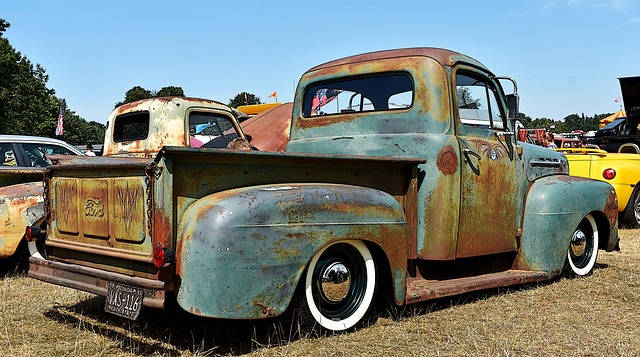
If you’ve ever talked to a hot rod owner, you know exactly what I mean. There is a specific work of art affectionately known as a “rat rod.” A hot rod restored to preserve the rust and faded paint. A spectator might see one and ask, “When are you going to finish the restoration?” But that car’s owner knows better. They see the marks of handmade metalwork and a life of well-traveled roads.
In my art, I don’t hide the journey my materials took. I celebrate it. Because I want you to own something that has a history.
Is there an object in your life that has “aged gracefully”? I’d love to hear about the beauty you find in the weathered and the worn.